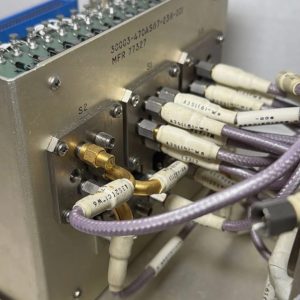
The Aviation Switching Module – NSN 4920-01-250-2696 (AS-IS / Untested) is a specialized aerospace electrical component offered for professional evaluation, restoration, testing, parts recovery, collection, or another suitable non-assumed application.
The Aircraft Switching Module more info can form part of a specialized aviation system, while the Aerospace Switching Module requires identification through labels, technical documentation, connector configuration, and application records.
An Aircraft Electrical Switching Module can have commercial value for technicians, while an Aviation Electrical Control Module or Aerospace Electrical Control Unit requires qualified bench evaluation before operational consideration.
Whether described as an Aviation Control Module, Aircraft Switching Unit, Aerospace Power Distribution Module, Aircraft Electrical Control Unit, or Aviation Power Control Module, the component should remain identified primarily by its NSN and physical markings.
Why NSN Verification Matters
Accurate NSN verification helps reduce purchasing errors and prevents an unrelated module from being represented as compatible equipment.
Unknown markings should be photographed and recorded rather than interpreted without support.
Understanding AS-IS and Untested Condition
Internal faults, missing components, damaged wiring, corrosion, previous modification, storage deterioration, or electrical failure may be present even when the exterior appears clean.
Improper voltage, polarity, grounding, current, signal input, or connector pin assignment can damage the module and connected equipment.
Aircraft Switching Module Applications
Application accuracy protects buyers from assuming that a broadly named Aircraft Switching Module will fit their project.
Missing knobs, guards, labels, connectors, covers, or fasteners may reduce completeness.
Rugged Aviation Module Design
Age, handling, impact, humidity, temperature changes, contamination, and long-term storage can affect both mechanical and electrical condition.
Proper connector protection preserves the Aerospace Switching Module for future testing or restoration.
Aircraft Electrical Hardware Review
An Aircraft Electrical Switching Module should be inspected for overheated areas, burned insulation, damaged terminals, loose hardware, corrosion, moisture entry, broken controls, and signs of previous disassembly.
Seals, labels, inspection marks, tamper indicators, and original component arrangements may have historical or technical value.
Aviation Electrical Control Module Functions
Similar-looking modules may use completely different pin assignments and operating voltages.
Control labels and switch legends can provide useful clues, but they should not be used as the only source of technical identification.
Evaluating Aerospace Power Hardware
Power switching equipment can create heat, arcing, or equipment damage when connected incorrectly.
Accurate reporting protects buyers seeking an Aircraft Power Switching Module for repair, parts, or research.
Choosing an Aerospace Electrical Control Unit
The repair process should preserve original markings and configuration whenever practical.
A common-looking relay, switch, resistor, connector, or wire may not be an acceptable substitute.
Signal Switching Module Inspection
An Aircraft Signal Switching Module may route low-level, control, communication, measurement, or test signals between compatible equipment channels.
A complete accessory inventory improves the commercial presentation of the Aircraft Signal Switching Module.
Choosing an Aviation Control Module
Buyers should determine whether they need a direct replacement, restoration item, training aid, or parts source.
Inspection tags, modification plates, repair labels, and revision marks can provide important information.
Aircraft Test and Support Equipment
The unit can provide parts, reference information, display value, training opportunities, or a candidate for professional restoration.
Removable demonstration leads or external training fixtures may preserve originality better than permanent alteration.
Power Distribution Module Inspection
Internal conductive components can corrode or loosen during storage.
Bent brackets, enlarged holes, missing fasteners, or distorted mounting surfaces may complicate restoration.
Choosing an Aircraft Electrical Control Unit
An Aircraft Electrical Control Unit should receive an organized inspection covering identification, enclosure condition, connectors, controls, labels, hardware, internal components, and signs of environmental exposure.
Testing results should identify exactly which switches, contacts, indicators, or circuits were evaluated.
Inspecting a Power Control Module
An Aviation Power Control Module can have specialized applications within aircraft systems, aerospace ground equipment, maintenance platforms, or test installations.
Technicians should inspect for capacitors, transformers, relays, damaged insulation, or hazardous residues before opening or testing the unit.
Aviation Switching System Troubleshooting
Without those references, operational claims should remain limited.
Intermittent switching problems can result from worn contacts, damaged connectors, corrosion, weak relays, cracked solder joints, unstable power, or harness faults.
Protecting an Aerospace Switching Unit
The unit should not be stacked beneath heavy equipment or left on conductive surfaces.
Insured and trackable transportation supports responsible sales of specialized aviation hardware.
Evaluating Surplus Aerospace Equipment
An Aircraft Electrical Module should be purchased according to exact identity, intended use, condition, completeness, technical support, testing requirements, and available documentation.
The seller should explain whether the unit has been powered, opened, repaired, modified, tested, or removed from known equipment.
Untested Aviation Equipment Condition Checklist
A pre-purchase review should confirm the NSN, manufacturer, part number, serial number, markings, enclosure condition, connectors, switches, included accessories, storage history, modification status, and known application.
- Resolve identity, configuration, application, and package-completeness questions before payment.
- Inspect switches, knobs, indicators, connectors, pins, wiring, and terminals for damage, looseness, contamination, overheating, or unauthorized repair.
- Report shipping damage, missing accessories, identification differences, undisclosed repairs, or altered condition promptly.
Professional Bench Evaluation
A qualified technician may use controlled and current-limited equipment appropriate to the module design.
The test should stop immediately if overheating, smoke, arcing, excessive current, unstable operation, or unusual odor occurs.
Repairing Legacy Aviation Control Hardware
Restoration should begin with condition documentation, careful cleaning, technical research, component identification, fault isolation, and repair planning.
The final product status should describe only the functions that were evaluated successfully.
Buying NSN 4920-01-250-2696
The Aviation Switching Module – NSN 4920-01-250-2696 (AS-IS / Untested) may suit aviation workshops, military-surplus collectors, aerospace technicians, educational programs, equipment restorers, and specialist parts buyers.
The strongest buying decision begins with confirming the NSN, manufacturer, part number, serial number, configuration, connector layout, condition, storage history, modification status, included equipment, and intended use.
Whether buyers need an Aircraft Power Switching Module, Aerospace Electrical Control Unit, Aircraft Signal Switching Module, or Aviation Control Module, electrical specifications should be verified before testing.
With responsible purchasing, NSN research, connector protection, current-limited evaluation, and documented restoration, the component can remain a useful aviation asset.